Welcome to the Deep Time of Maryland.
TIMELINE
FOSSILS
RELATIVE DATING
LAW OF SUPERPOSITION
GEOLOGICAL TIME SCALE
ANATOMICAL STRUCTURES
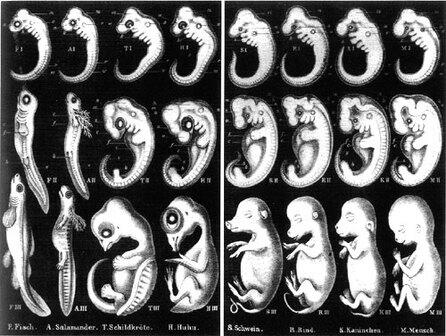
EMBRYOLOGY + COMMON ANCESTORS
(hint: click on the picture)
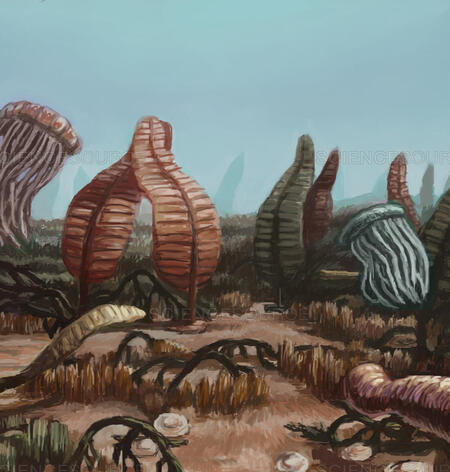
PRE CAMBRIAN ERA
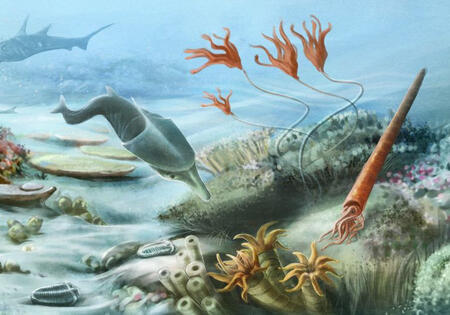
PALEOZOIC ERA
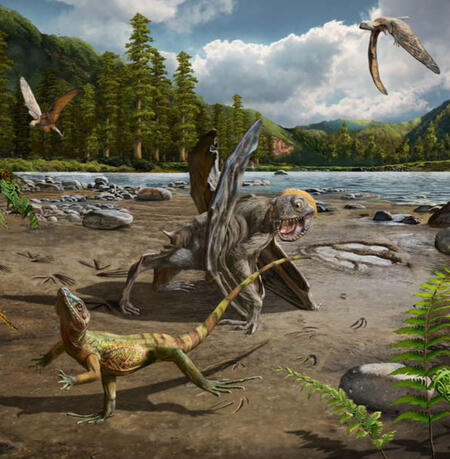
MESOZOIC ERA
CENOZOIC ERA
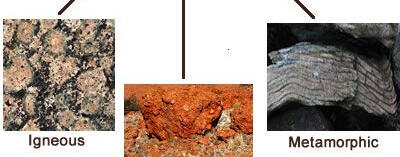
Made up of the Hadeon, Archeon and, Proterozoic Era, the Precambrian Era is the oldest era ever known in history. The only known data about this Era was that the metamorphic and igneous rock were found to be dated at this time. There were no trace of fossils.
(click on the picture to go back)
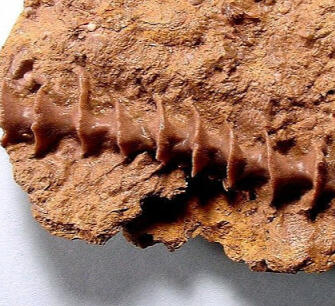
The Paleozoic Era introduces marine life and a few land organisms. Sea levels begin to change and the sedimentary rock under shows an abundance of marine fossils. Erosion and subsidence tend to occur. Brachipods and Bryozoans are common.
(click on the picture to go back)
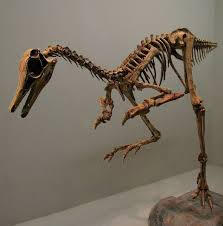
The Mesozoic era marks the splitting of the huge continental land Pangea which would then become the continents known today. Maryland, at that time, was a costal region and contained the fossils of plants and dinosaur footprints.
(click on the picture to go back)
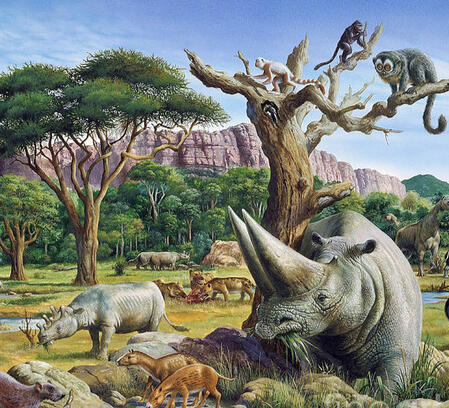
The early Cenozoic Era had a rise in Sea level. Later on, the climate cooled, sea levels dropped, and glaciers had expanded. This new climate caused the growth of new types of plants and adaptation to this type of weather. In the Interglacial period, sea levels rised once more and marine life thrived. Mammals like mastodons and marine clams, oysters, and snails were common.
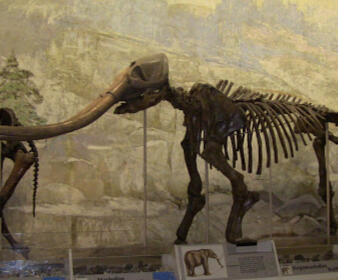
(click on the picture to go back)
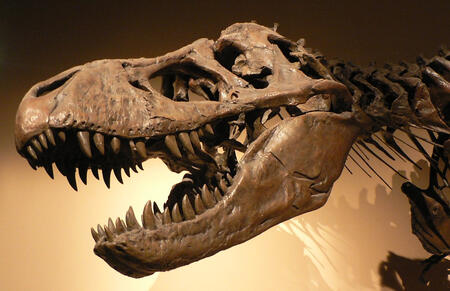
Fossils can give us a lot of information. Fossils tell us about what types of animals existed. They tell us about the surface of Earth at that period of time. Fossils can also allow us to infer if there is an evolutionary relationship between the modern organisms to their possible ancestors.
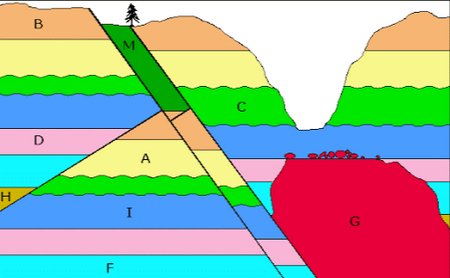
Relative dating is done to determine the "relative" age of an organisms by comparing its placement in rock to other organisms
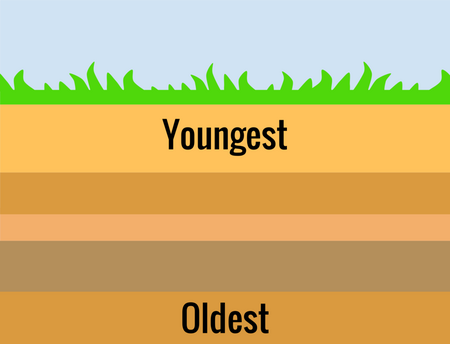
The Law of Superposition is a form of relative dating, it states that the rock on top is the youngest and the rock being at the bottom is the oldest.
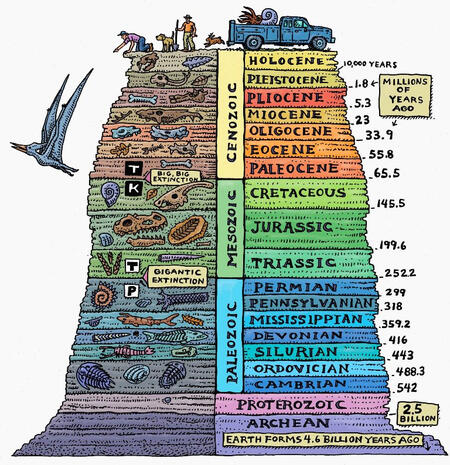
The Geological Time Scale connects geographic strata to time. It allows us to basically show the history of Earth in this one system. Many geologists, paleontologists and other Earth scientists use this.
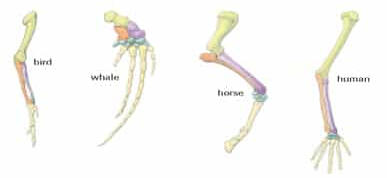
There are a few types of Anatomical structures. Homologous and Vestigial are two types. Homologous structures are structures that show physical relatedness and and also have common ancestry. Vestigial structures are unneeded features that don't have any use but allude to having a previous ancestor who might have used it and it was discarded through millions of years of evolution.